Shin Splints: 5 Things to Know About Causes, Symptoms, Treatment and Prevention
Why shin splints happen, how to tell them from a stress fracture, how to recover, and how to stop them coming back.
Updated September 3, 2026 · 2 min read

Shin splints are one of the most common running injuries, especially for new runners and people with flat feet. The good news is that they usually respond well to rest and smart training changes.

1. What shin splints are
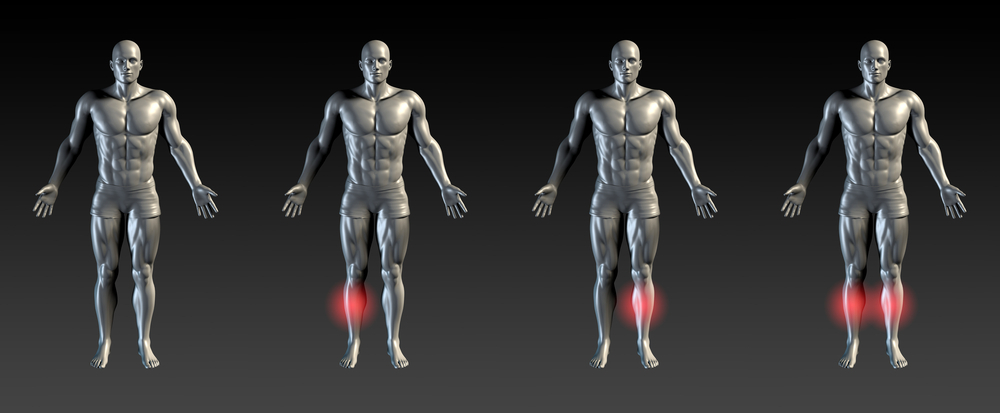
"Shin splints" is the common name for medial tibial stress syndrome: pain along the inner edge of the shinbone (tibia). It's caused by repeated stress on the bone and the muscles and tissues that attach to it.
2. What causes them
- Doing too much, too soon. A sudden increase in distance, speed or hills is the most common trigger.
- Flat feet and overpronation. When the foot rolls in, the muscles along the inner shin work harder to control it.
- Hard surfaces such as concrete.
- Worn-out or unsupportive shoes.
- Weak hips, calves or core, which lets the lower leg take more of the load.
3. Symptoms, and when it might be something else
Shin splints usually cause a dull ache along a few inches of the inner shin. It's often worse at the start of a run, may ease as you warm up, and returns afterward.
See a doctor if:
- The pain is sharp and in one small spot you can point to with a finger
- It hurts when you walk, rest or at night
- There's swelling, or the pain keeps getting worse
These can be signs of a stress fracture, which needs proper rest and sometimes imaging.
4. How to treat them
- Reduce or pause running until you can walk and hop without pain. Swap in cycling or swimming to keep fit.
- Ice the area for 10 to 15 minutes after activity to ease soreness.
- Use compression sleeves if they feel helpful.
- Stretch your calves gently every day.
- Return gradually. Start with short, easy runs on soft surfaces and build up over several weeks.
5. How to prevent them
- Increase mileage slowly. Many coaches suggest no more than about 10% a week.
- Wear supportive shoes. If you have flat feet or overpronate, try a stability shoe.
- Consider arch support. Insoles can reduce the strain on the shin muscles.
- Strengthen your lower legs and hips with calf raises, toe walks, clamshells and single-leg squats.
- Mix up surfaces. Run on trails, grass or a track when you can.
- Replace your shoes before the cushioning is gone.
The bottom line
Shin splints are your body's way of saying it needs more time to adapt. Back off, recover properly, then build up gradually with good shoes and stronger legs. If the pain is sharp, pinpoint or present at rest, get checked for a stress fracture.
Keep reading

Flat Feet vs Overpronation: What's the Difference?
Flat feet describe the shape of your foot. Overpronation describes how it moves. Here's how to tell them apart and why it matters for your shoes.

Running Shoes for Flat Feet and Wide Feet: The 2026 Comprehensive Guide
Flat and wide feet need both support and space. Learn how to find running shoes that give you both without compromise.

Best Running Shoes for Flat Feet: Stability and Comfort Guide for 2026
How stability running shoes work, which features matter most for flat feet, and how to test a pair before you buy.